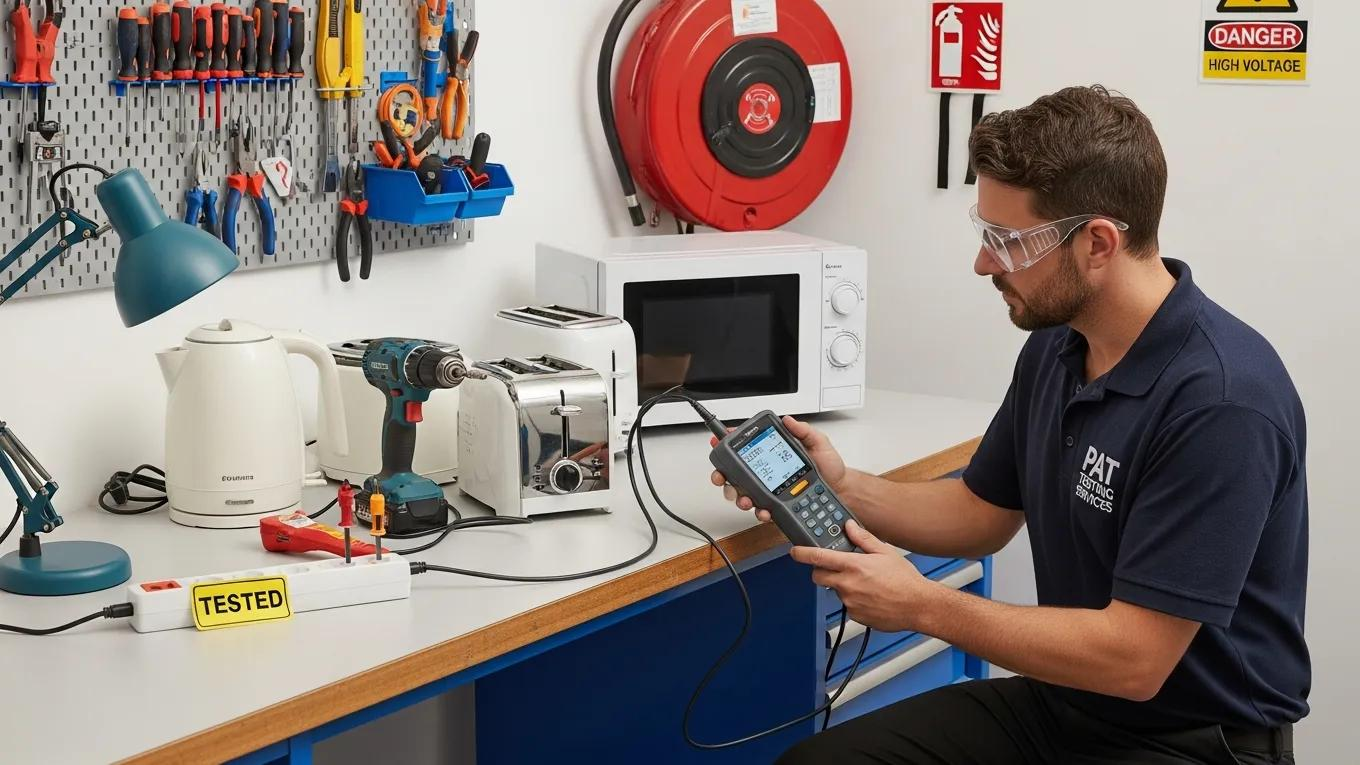
Portable Appliance Testing Benefits for Your Business: Ensuring Electrical Safety Compliance and Risk Reduction
Portable Appliance Testing (PAT) is a crucial process for businesses that rely on electrical equipment. It involves the systematic examination of appliances to ensure they are safe to use, thereby reducing the risk of electrical hazards. This article will explore the various benefits of PAT, including its role in enhancing electrical safety compliance, reducing risks, and ensuring legal adherence. Businesses often face challenges related to equipment safety, which can lead to accidents and financial losses. By implementing PAT, companies can mitigate these risks effectively. We will delve into the importance of PAT, the legal requirements in Queensland, and how it supports workplace safety, among other key aspects.
Portable Appliance Testing Benefits for Compliance & Risk Reduction
Portable Appliance Testing (PAT) is a systematic process that involves inspecting and testing electrical appliances to ensure they are safe for use. This process is essential for businesses as it helps identify potential electrical hazards, ensuring compliance with safety regulations. By conducting PAT, businesses can protect their employees and customers from electrical accidents, which can lead to serious injuries or even fatalities. Furthermore, regular testing demonstrates a commitment to safety and can enhance a company’s reputation. Understanding the significance of PAT is vital for any business that utilizes electrical equipment.
Understanding Test and Tag Services in Logan and Brisbane
In Logan and Brisbane, test and tag services are essential for businesses that want to ensure their electrical appliances are compliant with safety standards. These services typically include a thorough inspection of appliances, followed by tagging them to indicate their testing status. The benefits of utilizing local test and tag services include:
- Compliance Assurance: Ensures that all electrical equipment meets the required safety standards.
- Risk Reduction: Identifies potential hazards before they lead to accidents.
- Local Expertise: Local service providers understand the specific regulations and requirements in the area.
By engaging with local test and tag services, businesses can ensure they are meeting their legal obligations while enhancing workplace safety.
How Portable Appliance Testing Supports Workplace Electrical Safety

Portable Appliance Testing plays a significant role in enhancing workplace electrical safety. By regularly testing appliances, businesses can identify faulty equipment that may pose a risk to employees. This proactive approach not only reduces the likelihood of electrical accidents but also provides legal protection for the business. In addition, having audit-ready documentation from PAT can be invaluable during safety inspections or audits. This documentation serves as proof that the business is taking the necessary steps to ensure a safe working environment.
What Are the Legal and Regulatory Requirements for Test and Tag Compliance in Queensland?
In Queensland, businesses are required to comply with specific legal and regulatory standards regarding electrical safety. The key regulations include the Electrical Safety Act 2002 and the Work Health and Safety Act 2011. These laws mandate that all electrical equipment must be tested and tagged to ensure safety. Failure to comply with these regulations can result in significant penalties, including fines and legal action. Understanding these requirements is crucial for businesses to avoid non-compliance issues and ensure the safety of their employees.
Overview of Australian Standards AS/NZS 3760 for Electrical Safety Inspection
The Australian Standards AS/NZS 3760 outlines the requirements for the testing and tagging of electrical appliances. This standard provides guidelines on how often appliances should be tested, the methods of testing, and the documentation required. Compliance with AS/NZS 3760 is essential for businesses to ensure they are meeting their legal obligations. Regular inspections and adherence to these standards not only enhance safety but also protect businesses from potential liabilities associated with electrical accidents.
How Does Portable Appliance Testing Reduce Electrical Hazards and Enhance Fire Safety?
Portable Appliance Testing significantly reduces electrical hazards by identifying faulty equipment before it can cause harm. The testing process includes visual inspections and electrical testing to ensure appliances are functioning correctly. By identifying issues such as frayed cords or malfunctioning devices, businesses can take corrective action to prevent accidents. Additionally, PAT enhances fire safety by ensuring that appliances are safe to use, thereby reducing the risk of electrical fires. This proactive approach to safety is essential for protecting both employees and property.
What Are the Cost Benefits and Return on Investment of Appliance Testing Services?
Investing in Portable Appliance Testing services can lead to significant cost benefits for businesses. The primary advantages include:
- Reduced Liability: Regular testing minimizes the risk of accidents, which can lead to costly legal claims.
- Insurance Compliance: Many insurance policies require proof of regular PAT to maintain coverage.
- Operational Efficiency: Identifying and addressing equipment issues early can prevent costly downtime.
This perspective is further supported by research into the financial viability of implementing electrical safety technologies.
Financial Viability of Electrical Safety Technologies
This study investigated the financial viability of implementing smart safety technologies in electrical engineering projects by analyzing cost-benefit metrics, return on investment patterns, and implementation challenges across various project scales. The study identified five critical cost factors affecting implementation feasibility: initial capital requirements, integration complexity with existing systems, specialized workforce training needs, maintenance costs, and regulatory compliance expenses.
FINANCIAL FEASIBILITY OF IMPLEMENTING SMART SAFETY TECHNOLOGIES IN ELECTRICAL ENGINEERING PROJECTS: A REVIEW OF CURRENT STATUS …, 2025
The return on investment from PAT services is substantial, as the costs associated with accidents and non-compliance can far exceed the expense of regular testing.
How is the Test and Tag Service Process Conducted by Experts at ABC Test Tag and Fire?

At ABC Test Tag and Fire, the test and tag service process is conducted by trained professionals who follow a systematic approach. The process typically includes:
- Initial Consultation: Understanding the specific needs of the business and the types of appliances to be tested.
- Visual Inspection: Checking appliances for any visible signs of damage or wear.
- Electrical Testing: Conducting tests to ensure appliances meet safety standards.
- Tagging: Tagging appliances with the test date and next due date for testing.
This thorough process ensures that businesses can maintain a safe working environment while complying with legal requirements.
What Common Questions Do Businesses Have About Portable Appliance Testing?
Businesses often have several questions regarding Portable Appliance Testing, including:
- How often should appliances be tested?: The frequency of testing depends on the type of equipment and its usage. Generally, high-risk equipment should be tested more frequently.
- What happens if an appliance fails the test?: If an appliance fails, it must be repaired or replaced before it can be used again.
- Is PAT a legal requirement?: Yes, under the Electrical Safety Act 2002, businesses are required to ensure their electrical equipment is safe.
Addressing these common queries can help businesses understand the importance of PAT and its implications for their operations.
How Often Should Appliances Be Tested for Compliance?
The frequency of testing for compliance varies based on several factors, including the type of equipment and its usage. Generally, the following guidelines apply:
- Low-risk equipment: Every 5 years
- Medium-risk equipment: Every 2 years
- High-risk equipment: Annually
These intervals are designed to ensure that all appliances remain safe for use and comply with legal requirements.
What Are the Typical Costs and How to Request a Quote for Testing Services?
The costs associated with Portable Appliance Testing can vary based on several factors, including the number of appliances and the complexity of the testing required. On average, businesses can expect to pay:
- Basic testing: Approximately $5-$15 per appliance
- Comprehensive testing: $15-$30 per appliance, depending on the service provider
To request a quote for testing services, businesses should contact a local provider, such as ABC Test Tag and Fire, to discuss their specific needs and obtain a tailored estimate.
Different aspects of PAT benefits can be compared to highlight its importance for businesses.